
Camera Phones
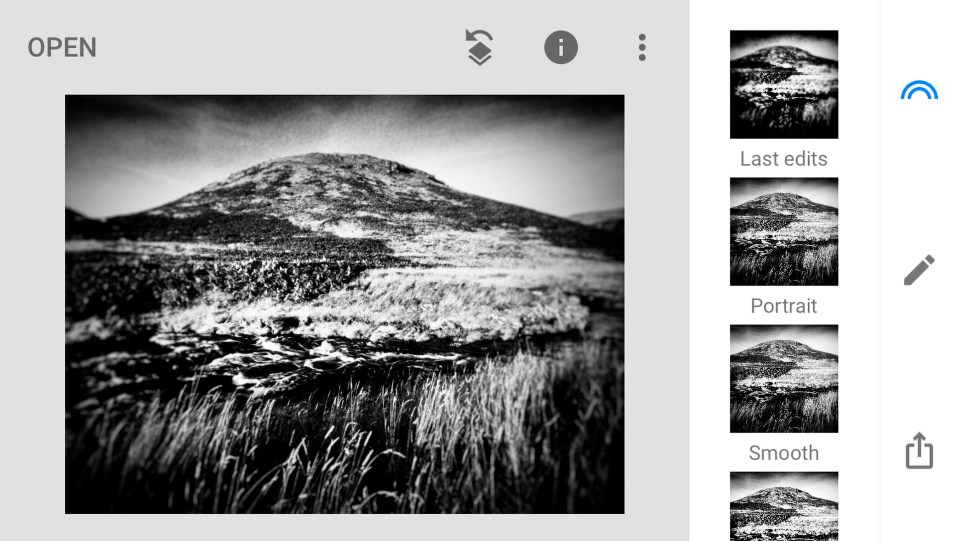
The best camera is the one you have with you when you need it. Arguably this makes a camera phone the best camera to buy, after all who leaves their mobile phone at home? Camera phones are a compelling choice too. Image quality is now generally very good to excellent, and most camera phones produce bright, sharp photos that can be easily shared to cloud storage or to social media. Apps such as Snapseed have made it easy to edit photos on your phone too, giving you an almost infinite number of ways to alter a photo.
All of the above doesn’t make camera phones the ideal choice though. Camera phones have a fixed focal length lens, making composition choice limited. (This though is changing, it is becoming common for phones to have two, three or even four different lenses to choose from.) Another disadvantage is that there is no way to compose a shot other than to look at the screen on the phone. This is generally fine, but reflections on the glass – particularly when outdoors – can make this tricky. Finally, camera phones can struggle in low light, producing grainy images that lack detail – though again this is becoming less problematic as sensor technology improves.