
Primes and Zooms
There are two basic types of lens: a prime lens, which has a fixed focal length, and a zoom lens, which has a variable focal length. In terms of convenience, there is a lot to be said for owning just one or two zoom lenses that cover the focal lengths you find most useful. If you only ever own two lenses, you could do worse than to make one 24-70mm, and the other 70-200mm (full-frame, or 16-50 and 50-135mm respectively on an APS-C camera, 12-35 and 35-100 Micro Four Thirds). This would take you from wide-angle to telephoto, with only the occasional lens swapping required depending on the subject. If you were to buy a range of prime lenses to provide roughly similar coverage (without too many gaps) you would need a 24mm, 35mm, 50mm, 85mm, 135mm, and 200mm (or their APS-C/Micro Four Thirds equivalents). This is six lenses instead of two. You would also need to swap lenses more often, making dust more likely to fall on your camera’s sensor. And there is also the risk of having the wrong lens fitted to your camera at the wrong moment. (That happens more often than professional photographers would care to admit…)
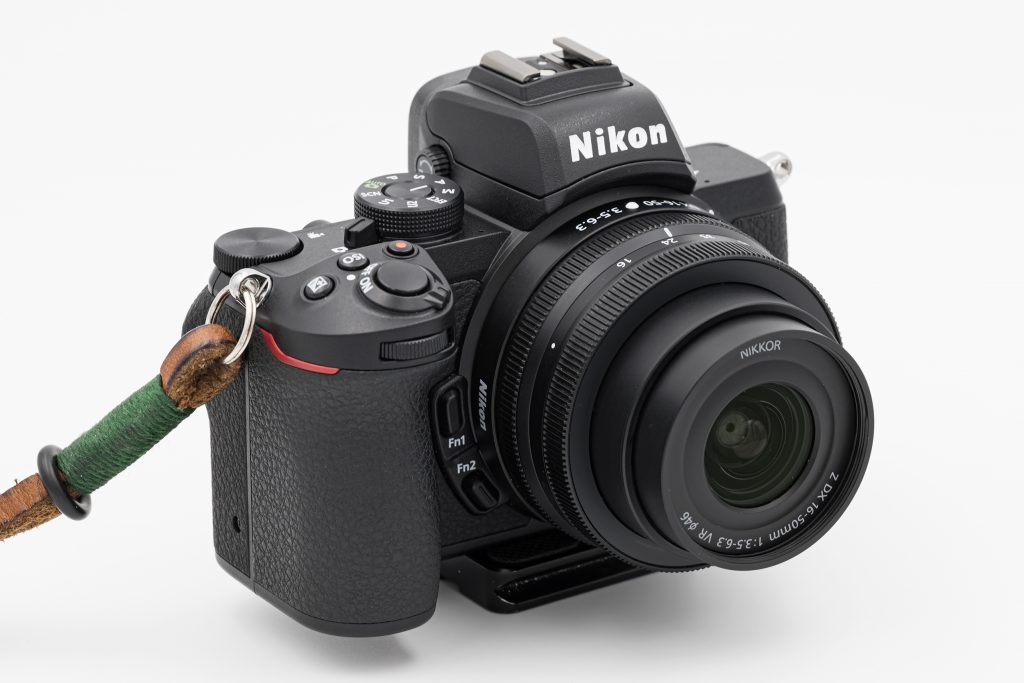
Once, not so long ago, zooms were looked down as being a poor substitute for prime lenses. This was done with some justification as early zooms were poor optically compared to prime lenses. This situation has changed in the past ten years or so and zooms are generally not too far behind primes optically. Where prime lenses still have the upper hand is when it comes to the available aperture range. Zooms, in order to keep the size and weight down, typically have smaller maximum apertures than prime lenses. This means that primes are more useful when shooting in low light, or when you want to limit depth of field for creative reasons. (The auto focus system of a camera also tends to work more efficiently when the fitted lens has a large maximum aperture.) Some zoom lenses also have variable maximum apertures, with the maximum aperture altering as you turn through the zoom range – altering your exposure settings. This is not too problematic if you are using an automatic or semi-automatic exposure mode, but will cause exposure shifts when shooting in Manual exposure. (See lesson four for more information about exposure modes, and lesson six to learn about aperture.)