
Image Orientation
Should a photo be shot horizontally or vertically? This question is an important decision in terms of composition as it will determine what does – or does not – get included in the shot. (The only time you do not have to think about the orientation of a photo is when it is square in format.)
Ultimately, it is the shape of your subject that should help make the decision. Landscapes, particularly wide-open vistas, tend to suit horizontal photos. Portraits on the other hand are generally shot vertically, as people tend to be taller than they are wide. (In fact, so common is this approach that people often refer to the horizontal orientation as ‘landscape’ and vertical as ‘portrait’.) As with the first two rules though, you should not feel constrained by these conventions. Landscapes can and are shot with the camera set vertically, just as portraits can be shot vertically. The key is to shoot in an orientation that is sympathetic to your subject. If in doubt try shooting two photos of a scene, one vertical and the other horizontal. There is no harm in deciding which works better at a later date.
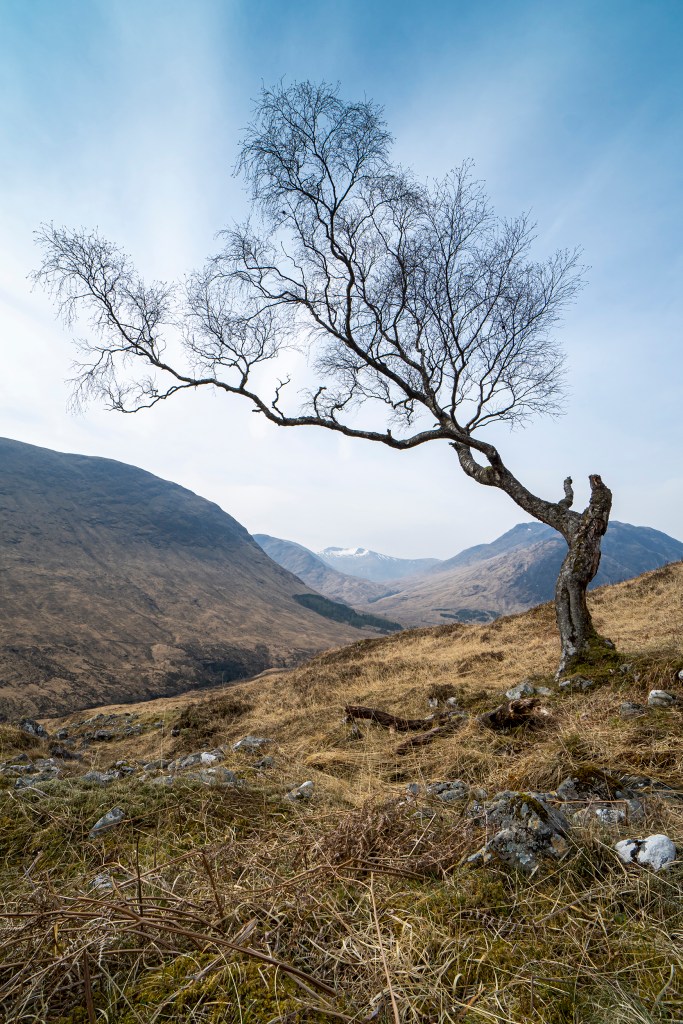
Horizontal and vertical shots have different qualities. Horizontal photos have an inherent stability thanks to the base being wider than the height: grounding the photo, literally when the subject is a landscape. What stability lacks of course is dynamism, which is found more in vertical shots.
The orientation of a shot will determine the path the eye will take through a shot too. Horizontal shots tend to be read from left to right (or right to left, depending on – strangely – the language you speak and in which direction you read text). Vertical shots tend to read upwards or downwards. You can emphasise these tendencies – or subvert them through the use of leading lines (see below).