
Metering Modes
A camera needs to measure the amount of light falling onto the sensor in order to determine exposure. There are three main settings to choose from: Evaluative (also called Matrix or Multi-Zone), Spot (or Partial), and Centre-weighted. (In lesson six we will look at exposure in more detail.)
Evaluative
This is the default mode on most modern cameras. It works by dividing the image up into a number of zones, with each zone being metered independently. The exposure is calculated by the camera analysing and then combining the results from each zone. It is generally very accurate and can cope with most situations. It is not perfect though and sometimes it is necessary either to apply exposure compensation (see lesson six) or use a different metering mode.

Spot
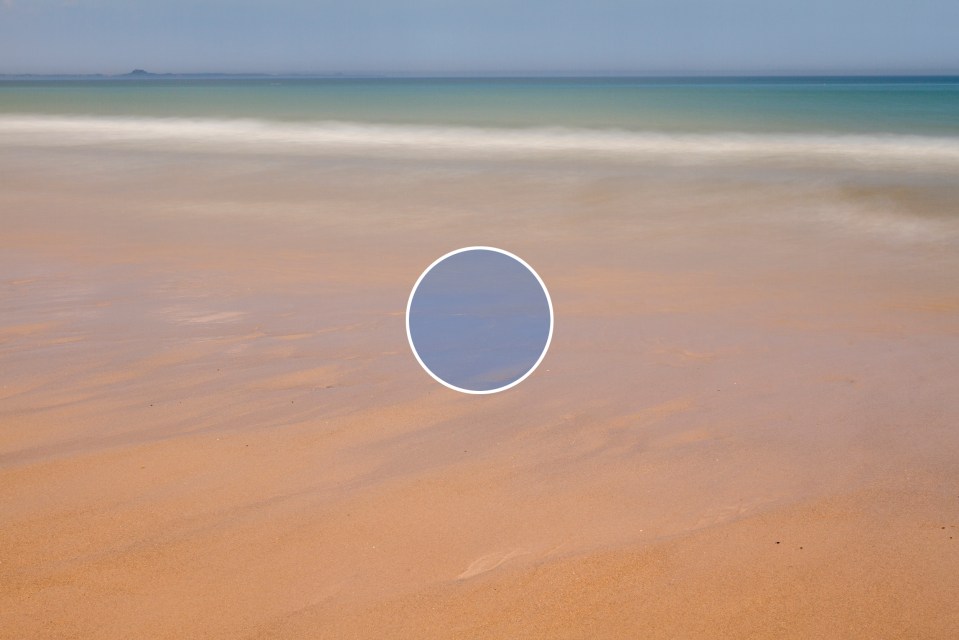
This metering mode forces the camera to meter from a small area of the image, generally the very centre, though occasionally spot is linked to the focus point instead. Spot is used when you want a very precise meter reading from a small area of a scene, without the rest of the scene affecting the exposure. A good time to use Spot is when photographing a performer spotlit on a stage. The exposure would then be accurate for the performer, and would not be influenced by the darker areas surrounding him or her.
Centre-weighted
This is an older metering mode that dates back to the days of film. The camera meters from the whole frame, the same as Evaluative, but metering is heavily biased to a large fuzzy blob at the centre, rather than the edges. It works really well if your subject is in the centre of the frame, but is less accurate for more complex scenes, such as a landscape. One thing in its favour is that its behaviour is consistent. Once you have a feel for how Centre-weighted works it can be very accurate. However, generally you are better off sticking with Evaluative.