
Soft and Hard Light
Another quality of light is its relative hardness or softness. Hard light is created when the light source illuminating a scene is small compared to the subject. Common hard light sources are bare light bulbs and the sun on a cloudless day. (Although the sun is the most massive thing in the solar system, it is small as seen from earth due to its distance.) Hard light increases contrast, resulting in deep shadows with sharply-defined edges. Highlights, particularly on metallic or shiny plastic surfaces, are small and intensely bright. Hard light is ideal when you want to create dramatic shots, though it can be overused and can tip over into cliché. (Shots of rugged men, unshaven and looking mean and moody, are often shot with hard light. Children and women seldom are, but that does not mean you should stick to conventions.)
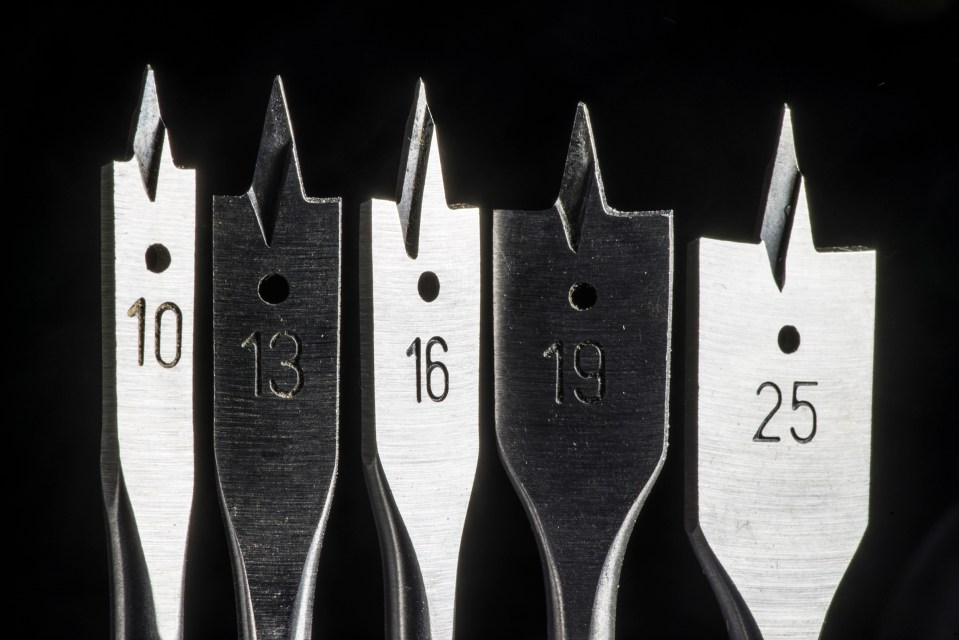
Soft light is created when the light source is large relative to a subject. This produces a lower contrast photo, with shadows and highlights less intense or harder to discern. Artificial lighting can be softened by using a translucent shade, such as a paper globe, or by using photographic equipment such as a softbox. Outdoors, soft light occurs on overcast days, when the cloud spreads the light from the sun across a greater area of sky. (The thicker the cloud, the less bright the light levels will be.) Finally, shade light is also much softer than direct light. Photos that convey a sense of romance or innocence are often shot using a soft light scheme. Ultimately, whether you use hard or soft light to illuminate your subject, is a creative choice and should be based on what you think is right aesthetically.