
Symmetry
In many ways symmetry is the even version of the Rule of Odds. A symmetrical image is one that has elements in one half that are repeated or mirrored in the other, either horizontally or vertically. This is known as bilateral symmetry. It is seen in nature when a landscape is reflected in a still body of water. It is also seen in many animals, including humans. (The human body has vertical bilateral symmetry, though it is often far from perfect. There is a theory that people with the most symmetrical faces tend to be considered the most attractive.)
However, there are other types of symmetry, such as radial symmetry. This occurs when similar elements of an object repeat in a pattern around a central point. Flowers often display radial symmetry, as do animals such as starfish. Finally, there is strip symmetry, where elements repeat along a line. Scales repeating along the flanks of a fish is an example of strip symmetry.
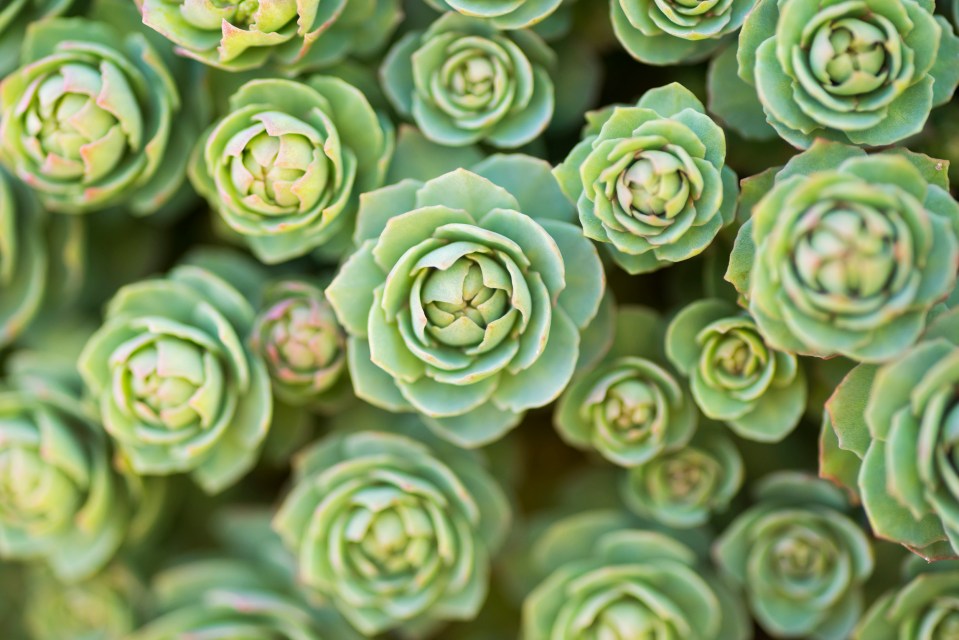
Shooting using any of the examples of symmetry above will produce pleasing and very calming images. But (whisper it) possibly slightly dull ones too. There is very little energy in a repeating pattern or mirrored image. One way to counter this is to add an incongruous element that disrupts the symmetry somehow.