Other Qualities of Light
The direction that light falls onto a scene will affect the aesthetics of your photos. This is described as the way light falls onto your subject. There are four basic directions: frontal, side, top and back. Of these four, frontal lighting is arguably the least pleasing. This is light that falls directly onto your subject from behind the camera (or on your camera when using flash). This type of lighting flattens the shape of your subject. Shadow helps to convey shape, but with frontal lighting, shadows are behind the subject and out of sight. (Police mug shots are typically lit by frontal lighting, and these are not meant to be flattering.) The one saving grace with frontal lighting is that exposure is relatively straightforward as contrast is generally low.
Side lighting is light that illuminates your subject at roughly right angles to both the subject and camera, from either the left or right. Side lighting is more pleasing than frontal lighting. The subject will be lit on one side and in shadow on the other. This helps to convey shape and reveals texture. The results can be dramatic when the light is hard (see below) or can be more subtle when softened by the use of a reflector or additional lighting (at a lower brightness to the main light.)
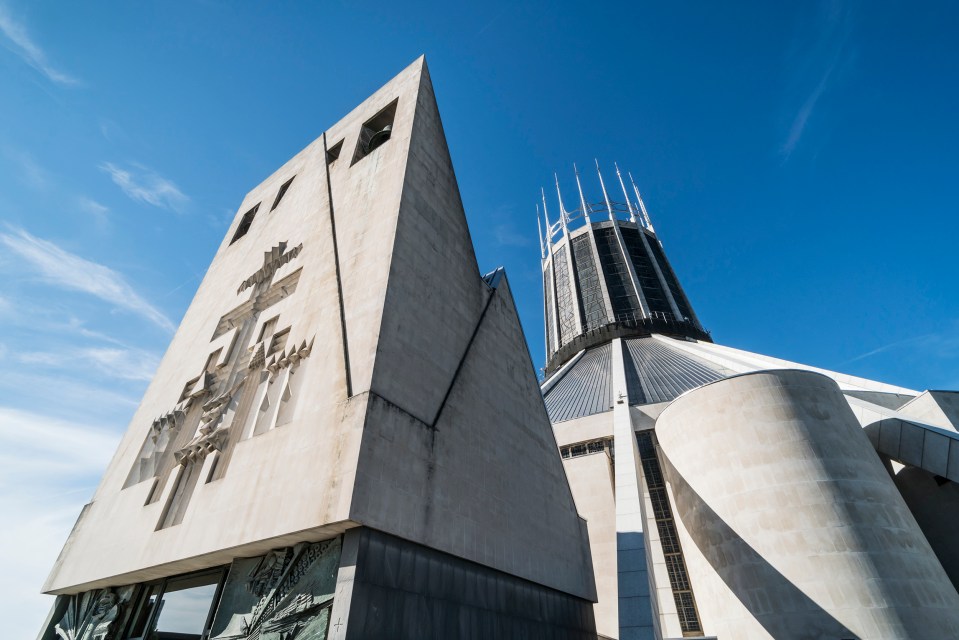
Top lighting is essentially a variation of side lighting, this time with the lighting above the subject. Although this conveys shape just as well as side lighting, the results tend be less pleasing. People’s eyes are typically lost in shadow when top lit, for example. Outdoor scenes are often lit by top lighting in summer at midday, when the sun is at its highest in the sky. (In winter, the sun never rises high enough above the horizon to create top lighting.)
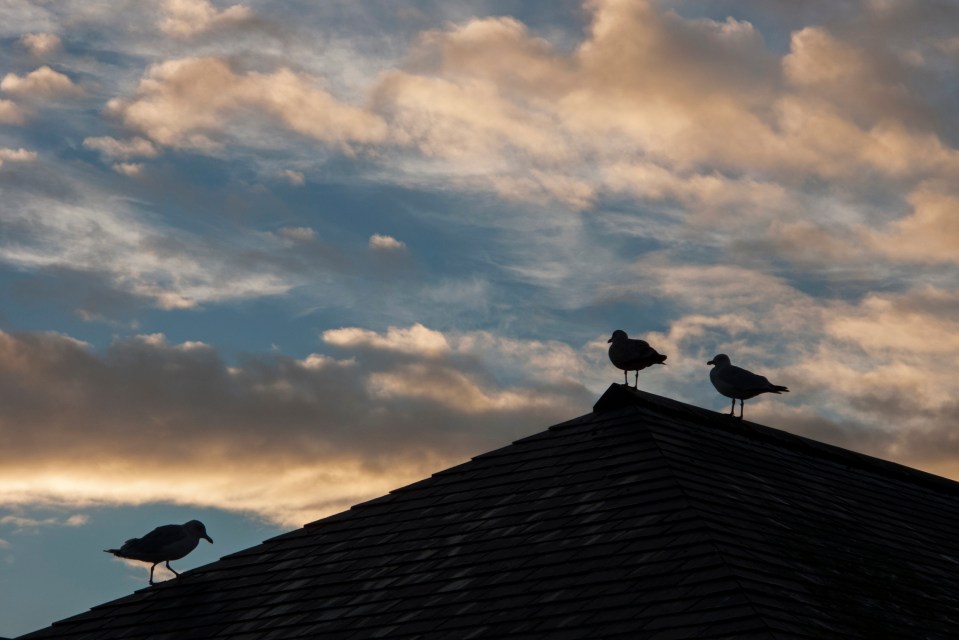
Backlighting occurs when the light source is behind the subject and pointing in the direction of the camera, sometimes visible in the image itself. Silhouettes, when the face of your subject is in shadow, are created when shooting in backlight conditions. Translucent subjects, such as leaves, work well with backlighting as the colour are intense and the structure of the subject is revealed. Portraits work well with backlighting too. You subject will not be squinting, and their hair – assuming they have some! – will create a halo around their head. To avoid a silhouette extra light, either with a flash or a reflector, could be used to illuminate the person.