
Contrast
Contrast describes the difference in the level of brightness between the darkest and lightest areas of a scene. When contrast is high, the difference between the darkest areas and the lightest are at their most extreme. (The ultimate in high contrast images would be one where there are only black or white tones, with no shades of grey in between.) Hard light, described above, creates high contrast imagery, as does backlighting. High contrast light often makes correct exposure difficult and can exceed the dynamic range of the sensor, forcing you to choose between exposing for the highlights or the shadows. (See lesson six.) Choosing a low contrast picture parameter, such as Neutral or Flat, is one way to retain detail in both the highlights and shadows. Another method is to add extra light into the shadow areas to lower contrast.
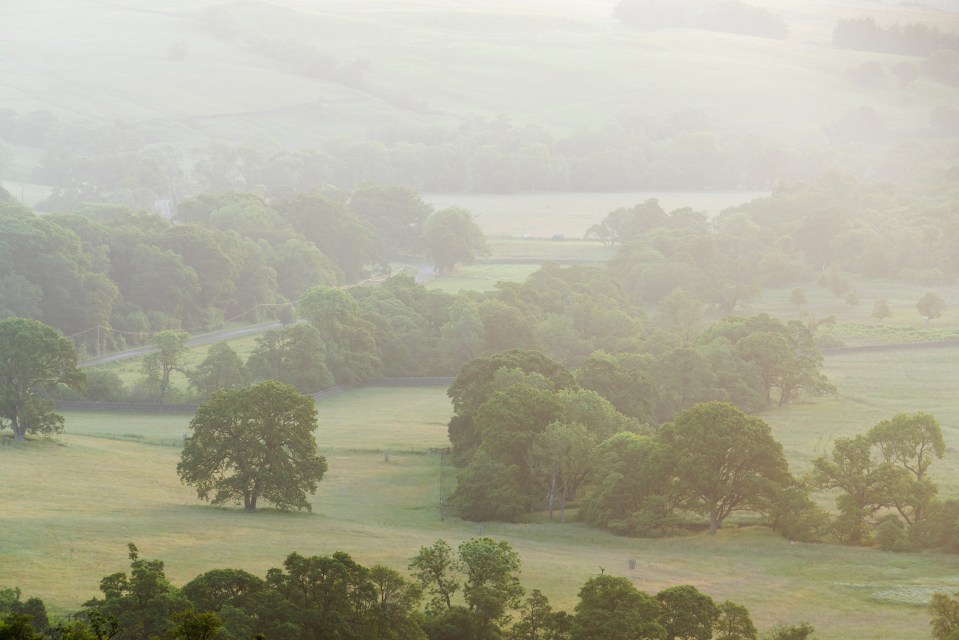
When the relative difference between the darkest and lightest areas of a scene are small, then the lighting is low in contrast. This is most often seen when using soft light. A heavily misty day is the ultimate in low contrast scene as shadows and highlights are muted and reduced to similar shades of grey. Low contrast scenes are easy to expose as they are less likely to exceed a camera’s dynamic range. However, they are not exciting as the tonal range is not great. Contrast can be added in post-production though, or by selecting a picture parameter that increases contrast, such as Vivid or Landscape.