
System Cameras
The basic definition of a system camera is that it is just one component in a wide range of compatible photographic equipment that works seamlessly together. A system camera does not have a permanently attached lens and so at least one must be bought in order to use the camera. (Some cameras often come with a kit lens or two. These lenses are usually not the best that the camera manufacturer makes, but are more than good enough to get started with.)
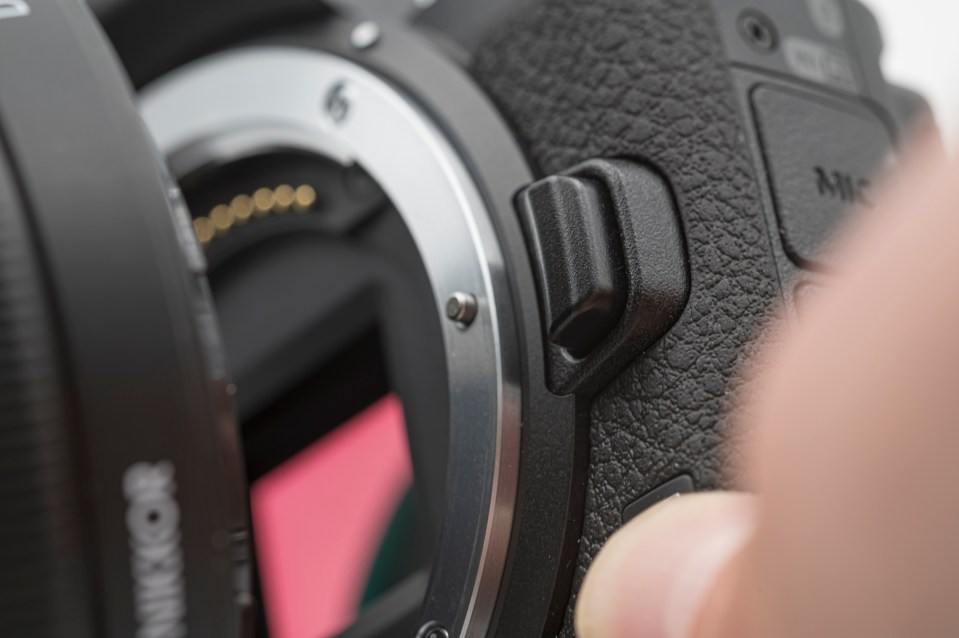
Other components of the system include flashguns and battery grips. The beauty of a system camera is that you can expand the system as your needs and abilities change. (Even the camera is replaceable. Once you have bought into a particular system any accessory designed for that system will work equally as well with a new camera as it did with the old. It’s only if you switch to another camera brand that you will need to start again from scratch.) The downside of course is that the system will never be ‘complete’; it’s all too common for there always be something else, some other tempting bit of kit that you think will make your life easier or more pleasurable. (It is a strange photographer who does not covet new kit.)
There are two common types of system camera: DSLRs and mirrorless. DSLR is short for digital single lens reflex. The word reflex refers to a mirror inside the camera that is used to direct light – via a pentaprism – to an optical viewfinder (OVF). This lets you see exactly what the lens ‘sees’ and ultimately what is recorded in the photo. (Though some cameras do not show you the full image in the viewfinder, often only 95-98% of what will ultimately be in the final photo.) When you press down on the shutter button a few things happen inside the camera. The first is that the mirror swings up – temporarily blocking the viewfinder – to reveal the shutter behind. The shutter then opens to allow light to fall onto the sensor. At the completion of the exposure, the shutter closes and the mirror returns to its original position.
A mirrorless camera does without the mirror and the optical viewfinder. Instead, a live feed from the sensor is sent either to an LCD on the rear of the camera or, on some cameras, to an electronic viewfinder (EVF).
Both DSLRs and mirrorless cameras have strengths and weaknesses. DSLRs are typically larger and bulkier than mirrorless cameras. But that bulk means that batteries for DSLRs can be larger and so last longer than those in mirrorless cameras. (Battery life in mirrorless cameras can be limited, as they are more reliant on electronic power. Very little battery power is required if you use a DLSR’s exclusively, and keeping image review after shooting to a minimum.) DSLRs are typically based on film camera systems, often decades old. This means that there are lots of accessories available, particularly secondhand. Mirrorless cameras are systems designed in the digital era, and so there are fewer accessories available – though this is changing.

One big advantage of some mirrorless cameras is the EVF. This shows you a very accurate representation of what the final photo will look like, including exposure and picture control (see lesson five). This is not possible with the OVF of a DSLR, though a DSLR’s Live View mode – when a live image is streamed to the rear LCD – does even out the situation slightly. Nikon, Canon and Pentax currently produce DLSR cameras (and, in the case of Nikon and Canon, a small range of mirrorless cameras too); Sony, Olympus, Panasonic and Fujifilm are leading manufacturers of mirrorless cameras.