
Dynamic Range
Dynamic range describes the ability of a camera to record useable detail in both the highlights and shadows of a photo. Cameras with low dynamic ranges – typically camera phones, compact and bridge cameras – can struggle in high contrast lighting to achieve this desired goal. This is largely due to the small size of the sensor inside the camera, and the relatively small photosites on that sensor. If your camera has a low dynamic range then you may need to use techniques such as HDR (see below), or use filtration such as ND graduates (see lesson seven). Cameras with larger sensors, system cameras typically, generally have a larger dynamic range and so require less use of these techniques. (Though there will be occasions when they are necessary. No camera currently on sale has a perfect dynamic range for every lighting scenario!)
HDR
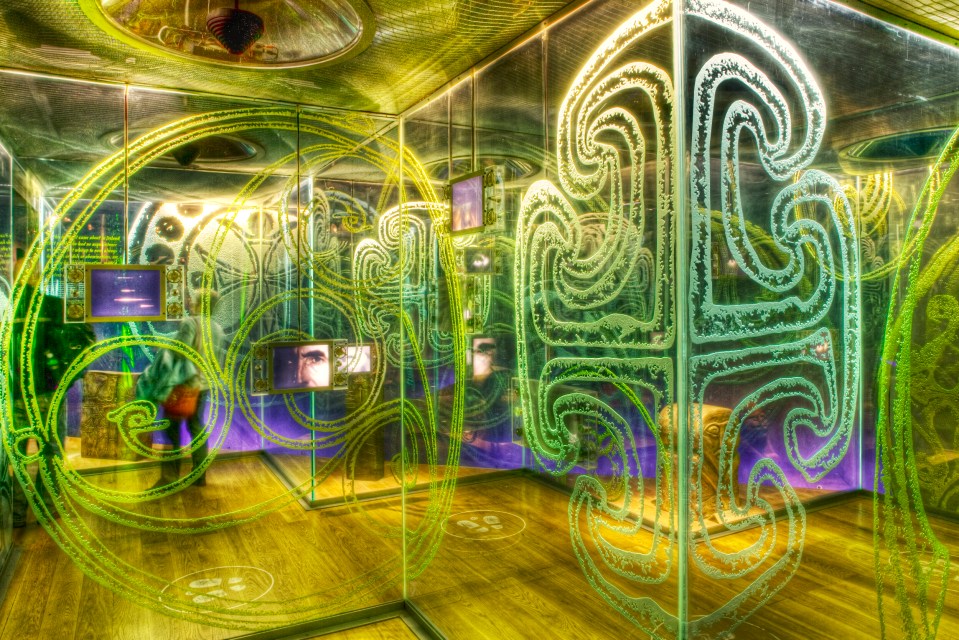
You will inevitably encounter a scene which exceeds the dynamic range of your camera. You can either set exposure to record shadow or highlight detail, but not both at the same time. One solution is to use filtration, such as ND graduated filters (see lesson 7). However, this is not always practicable and is not suited for every situation. Another solution is High Dynamic Range (or HDR), which is an in-camera or post-production technique.
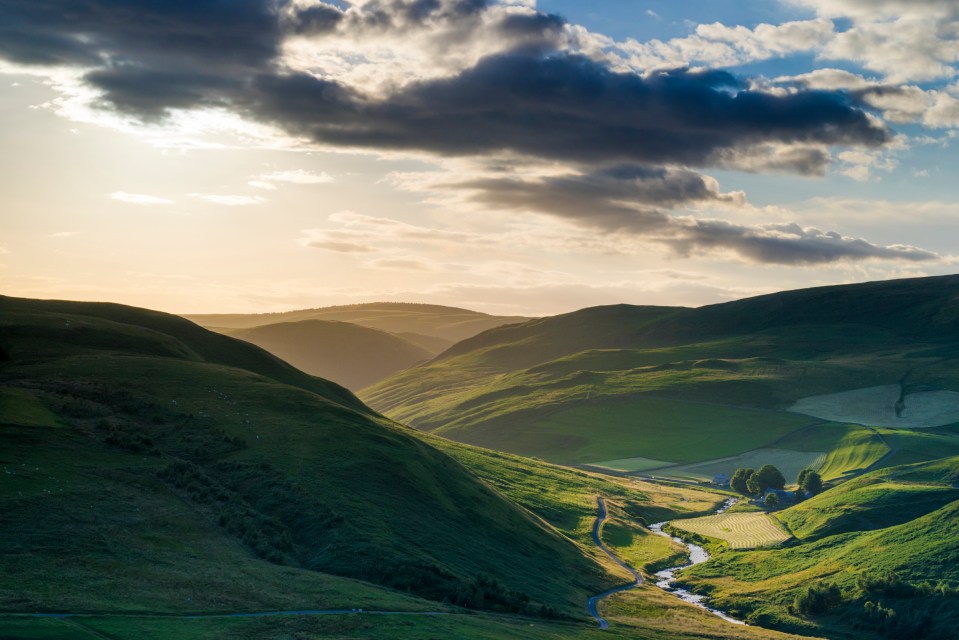
HDR images are created by the blending together of two or more images, each shot using a different exposure setting. Ideally at least one of these images should have correctly exposed highlights and at least one should have correctly exposed shadows. Some cameras have an HDR mode in which the shooting and blending of multiple images is achieved automatically. For cameras without this facility you could bracket a sequences of photos and then use general editing software such as Lightroom, or dedicated HDR such as Photomatix, to create your HDR images.
HDR is a useful ‘get-out-of-jail-free’ technique when faced with awkward lighting conditions but it does have limitations. As you need to shoot a sequence, which inevitably takes a certain amount of time, it is not ideal for subjects that move. Blending photos in which there is something that moves between frames can result in odd artifacts in the final, blended image.